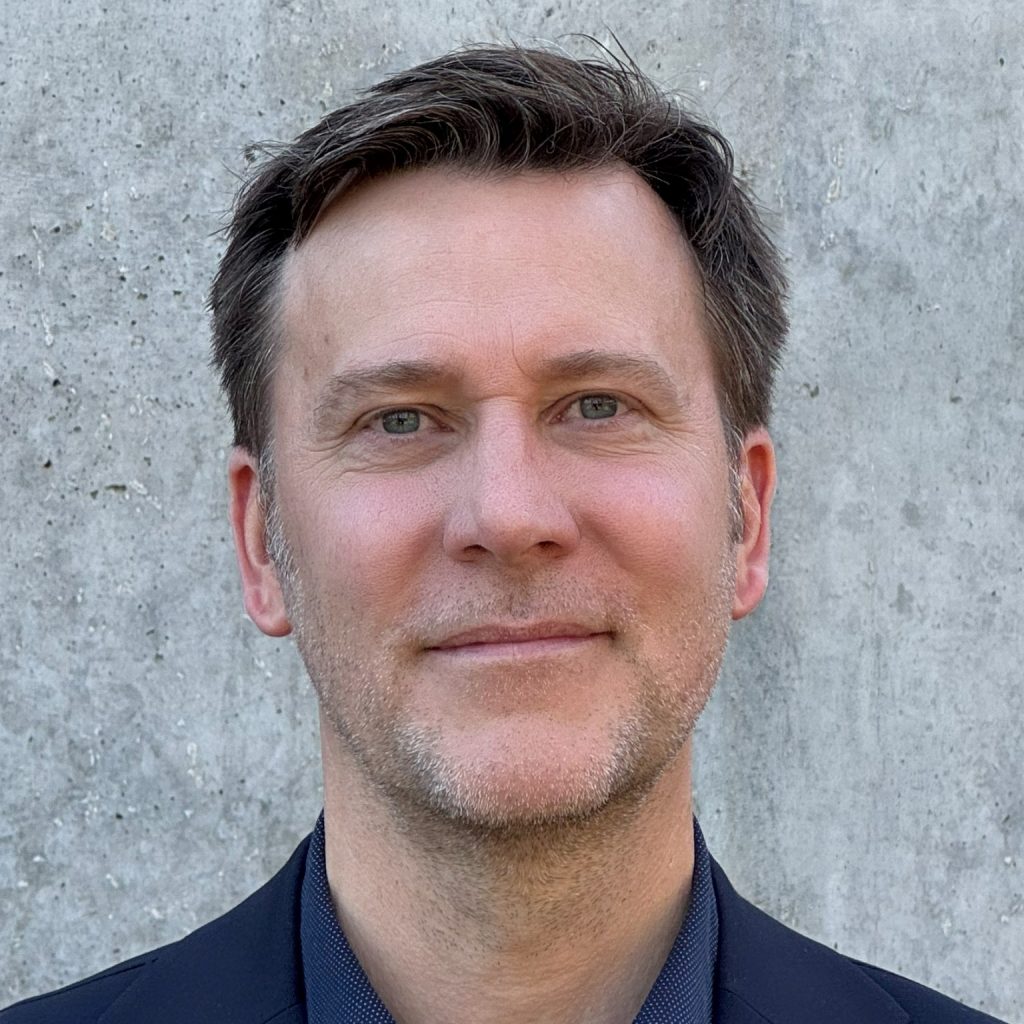
In recognition of his outstanding scholarly achievements, Markus Messling, professor of Romance literatures and comparative literary and cultural studies and director of the Käte Hamburger Centre for Cultural Practices of Reparation (CURE), has been elected an ordinary member of the Berlin-Brandenburg Academy of Sciences and Humanities. He was admitted to its Class of Humanities during the meetings of the academy’s governing bodies held for Leibniz Day 2026 at the Konzerthaus on Gendarmenmarkt.
New members are elected by the Council and confirmed by the Assembly of the Members of the Academy, following a vote and proposal by the relevant class. The Berlin-Brandenburg Academy of Sciences and Humanities elects its members from across Germany and abroad. Those elected must have distinguished themselves through significant scholarly achievements. The academy comprises 182 ordinary members across five classes, including 33 in the Class of Humanities.
The Berlin-Brandenburg Academy of Sciences and Humanities (BBAW), formerly the Prussian Academy of Sciences, is Germany’s capital academy. Eighty-two Nobel laureates have shaped its history. It was reconstituted in the course of German reunification as a reform-oriented working academy and has continued to develop its profile since 1993 under the conditions of open, digitally and globally networked scholarship. It is therefore a young academy, while also standing in a tradition that reaches back more than 325 years. Committed to “Theoria cum praxi”, the ideal of its founder Gottfried Wilhelm Leibniz, the BBAW sees itself as a laboratory of the Enlightenment, takes responsibility for the common good in the tradition of members such as Immanuel Kant, Albert Einstein, and Lise Meitner, and, through its scholarly work, promotes dialogue between science and society. It is one of the country’s central institutions for social and political advice, one of its largest humanities research institutions, and a key forum for exchange on equal terms between science, politics, business, and society. The network of members forms the core of the academy. It brings together outstanding representatives of all disciplines, who connect their expertise within the academy across disciplinary boundaries and internationally.