Trinankur Banerjee’s book project, Routines of Survival, examines the cultural work of popular comedy after the 1947 Partition of India, a seismic geopolitical event that led to two million deaths and the displacement of twenty million people. Analysing comic forms as a mass-mediated category across cinema, radio, and stage, the book shows how they attuned the public to the inhospitable present. Assembling archival fragments from various institutional archives, as well as private collections of the comedians displaced by Partition, it examines the ways in which the comic routines of such comedians registered the routine experiences of social destitution, political apathy, and cultural stigma to a) index the displaced as a figure in predicaments across everyday negotiations with myriad institutions and milieus; b) forge politically charged idiolects that embodied collective disaffections and desires; and c) claim a place for such a figure in public culture and national polity. In this way, Banerjee develops “routine” as an analytic concept, harnessing its capacious polysemy, as the term denotes both comic acts and everyday rituals. These routines also persistently articulated a refusal towards the structuring conditions of such quotidian experience, which was critical to the ethos of survival in the ruinous aftermath. Routines of Survival will thus chart a political genealogy of humour in South Asian media cultures and contribute to the emerging discourses on survival from the Global South.
DR. TRINANKUR BANERJEE
CURRICULUM VITAE
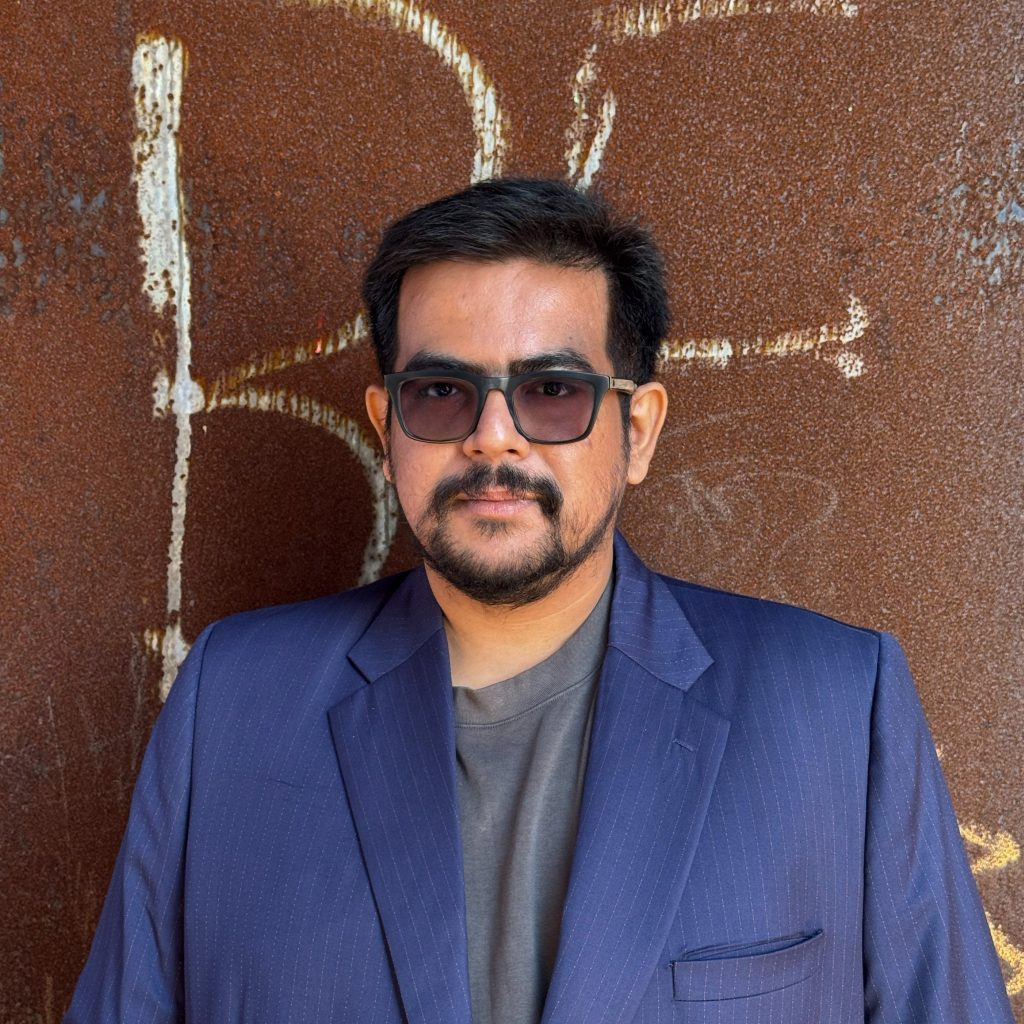
Trinankur Banerjee received his doctoral degree in film and media studies from the University of California, Santa Barbara (UCSB). At UCSB, he was a Regents fellow and received numerous research and dissertation grants from the University of California. He has articles, both published and forthcoming, in journals such as Discourse: Journal of Theoretical Studies in Media and Culture, Film Quarterly, Journal of Italian Cinema & Media Studies, and Intersections, as well as in various edited volumes from Routledge. He was also the co-editor of two issues of the Media Fields Journal. His research concerns media cultures of migration in postcolonial India. His book project, Routines of Survival: Popular Comedy After the Partition of India, examines how comic forms developed a popular ratio to grapple with the quotidian implications of dispossession for an unsettled polity and imagined collective futures beyond the loss and rancour in the wake of Partition and its traumatic fallouts.
KONTAKT