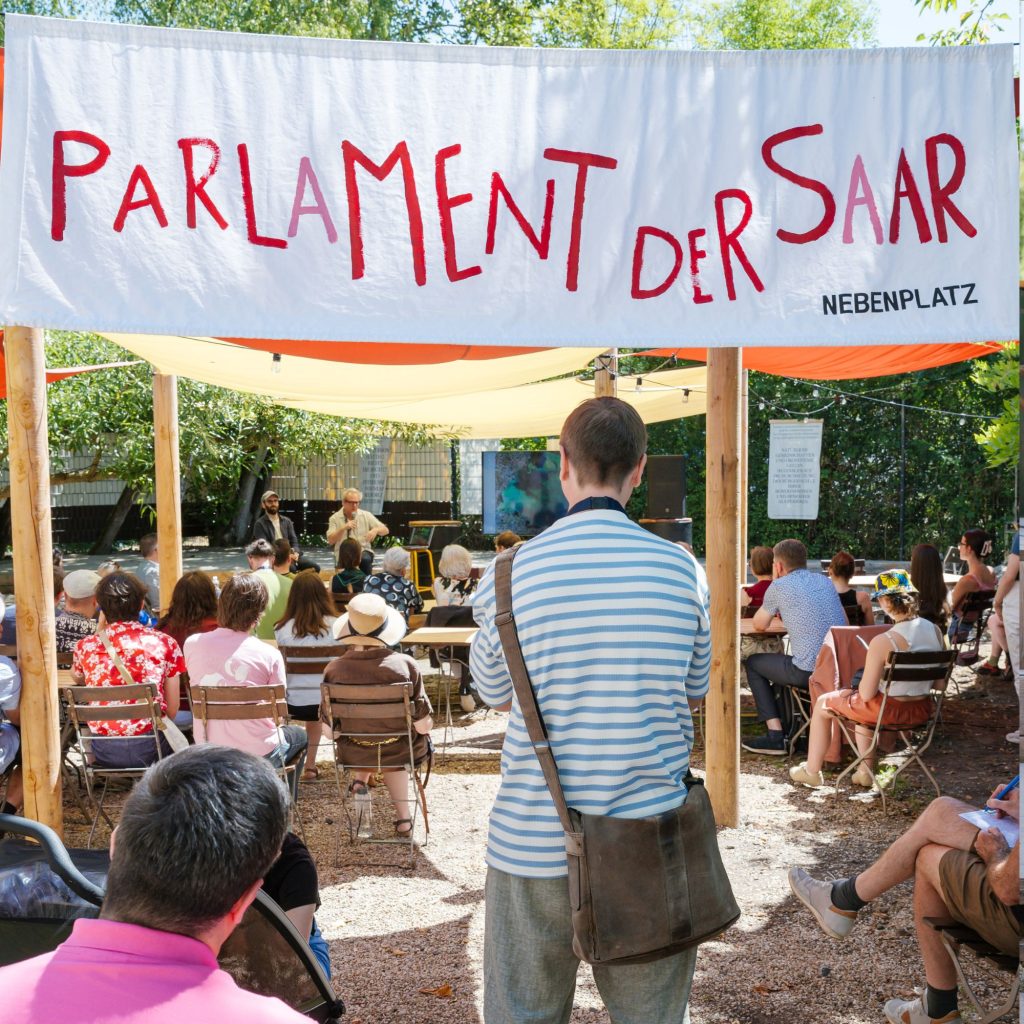
On 4 July 2026, Kulturgut Ost in Saarbrücken hosted the festival and civic forum “Rivers Beyond Borders – The Saar as Worker”. Approximately one hundred people attended over the course of the day. The event was organised by CURE in cooperation with the Goethe-Institut Nancy and numerous other partners working in civil society and environmental protection.
After welcoming remarks by Barbara Meyer, mayor of Saarbrücken, Manuela Ripa, member of the European Parliament, and Ludger Santen, president of Saarland University, the philosopher, writer, and curator Camille de Toledo introduced the history of the rights of nature.
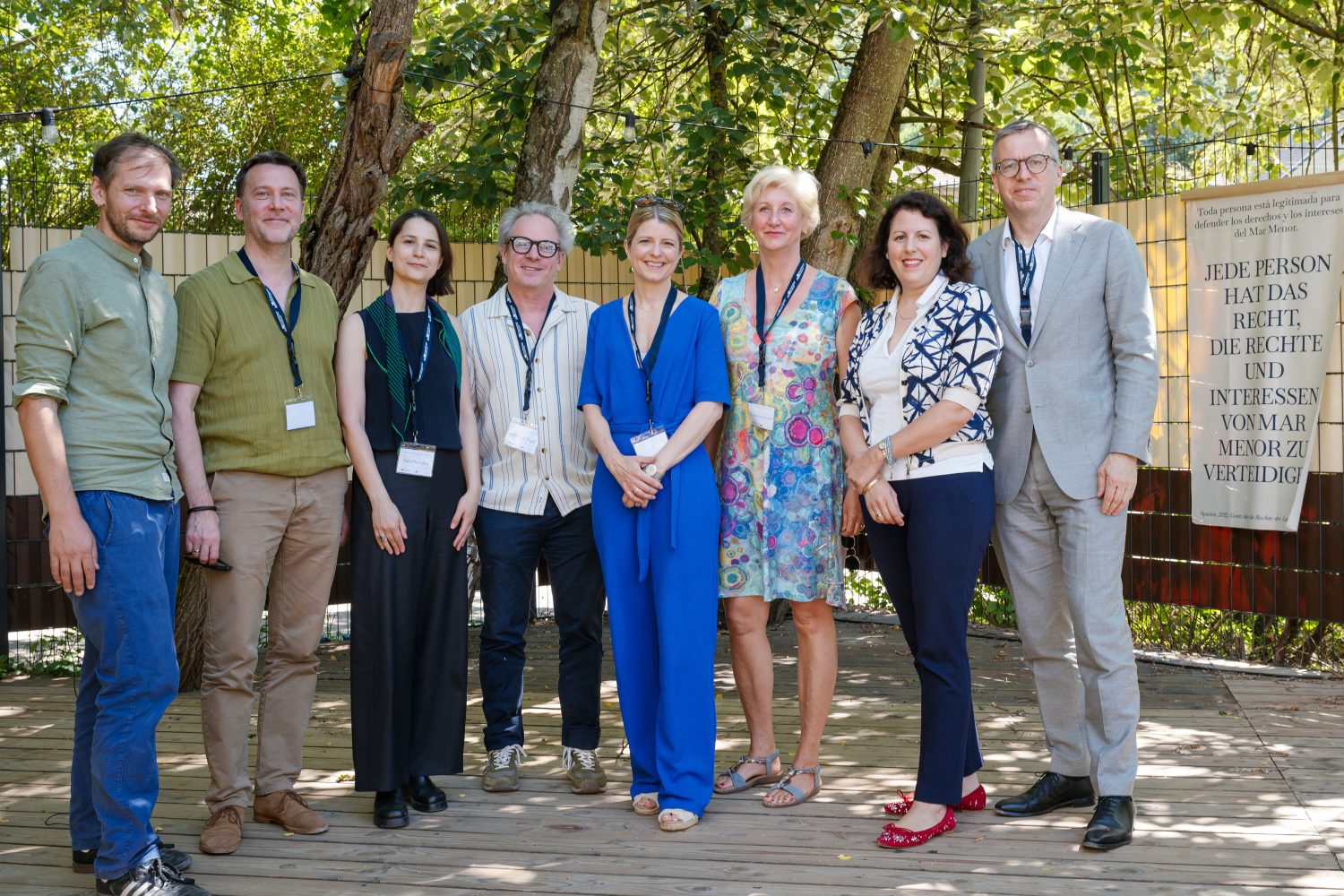
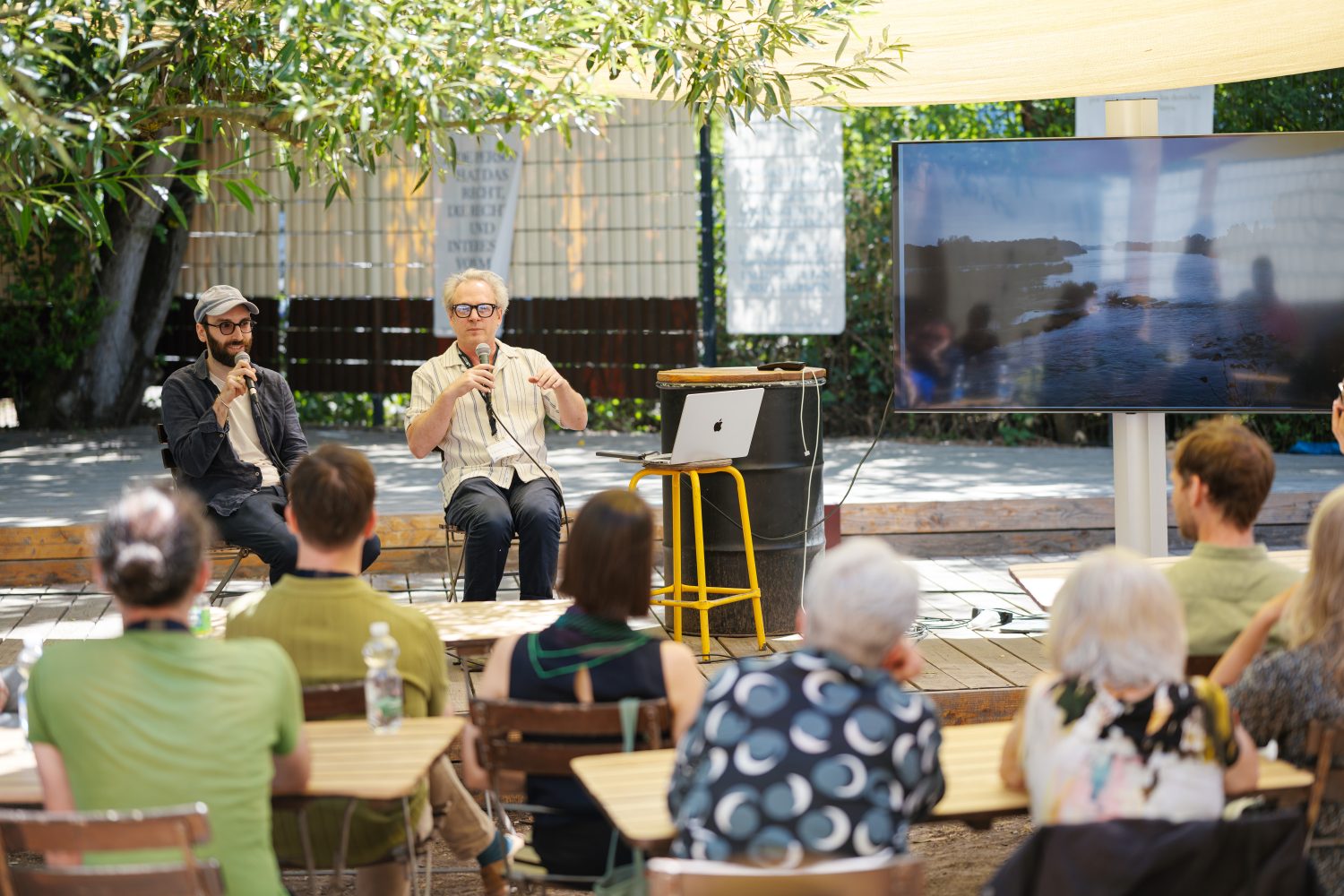
Three workshops then invited visitors to explore the Saar as a site of memory, a political actor, and a space for imagining ecologically just ways of life in the future.
WORKSHOP: WORKING SAARϷ
In the workshop “WORKING SAARϷ – The River as a Worker”, the Berlin-based sound artist and designer Régis Lemberthe asked what happens when a river is granted rights, allowing it to express the needs and values of its “working body”. In small groups, the participants adopted the perspective of the Saar and used it to develop new ideas for the river’s future. Working together, participants explored possible scenarios for the river’s ecological responsibility and economic agency, and its ability to cooperate across borders, which they then presented in short talks.
WORKSHOP: I AM THE SAAR!
Laurent Barthel’s writing and theatre workshop focused on the participants’ relationship with the Saar, the rights of rivers, and the question of a shared future. Beginning with the idea that the Saar tells stories about the landscapes through which it flows and the people who have lived along its banks, the participants used creative writing to explore their own memories and perspectives. In doing so, they had the opportunity to become the “voice of the Saar” themselves.
WORKSHOP: GAMING FOR THE SAAR
Led by Isabelle Charpentier, this interactive workshop introduced three digital tools that made it possible to experience the Saar catchment area through simulations, historical reconstructions, and participatory games. Participants could explore flood scenarios, trace the environmental history of river landscapes, and discover – through a computer game – the connection between ecological quality and human well-being.
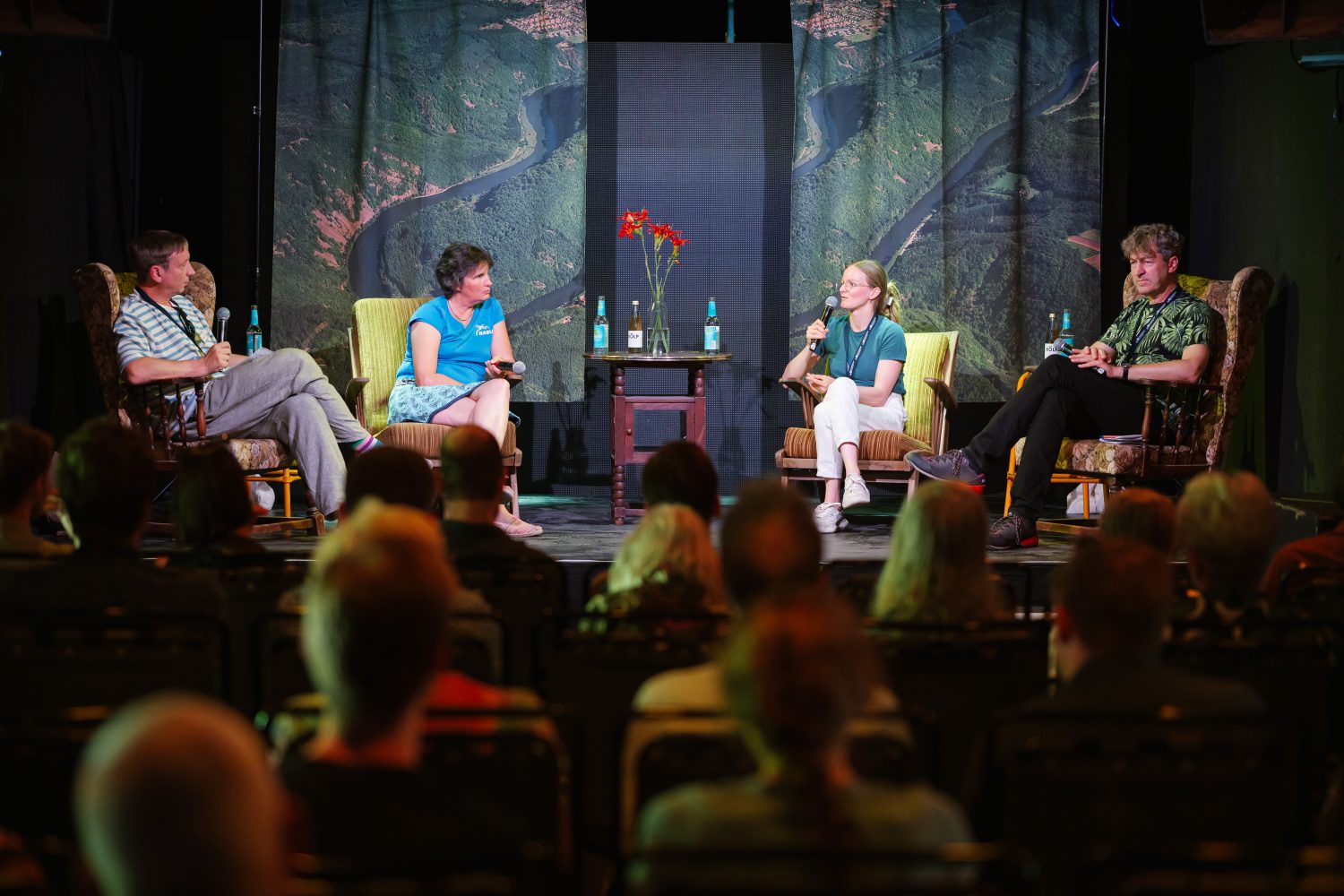
Two panel discussions brought the programme to a close: representatives of environmental law, nature conservation, industrial history, and journalism discussed how the idea of river rights might transform our understanding of the Saar and its history. They also considered the different conceptions of ecological justice and democratic transformation currently being debated in international politics and law.
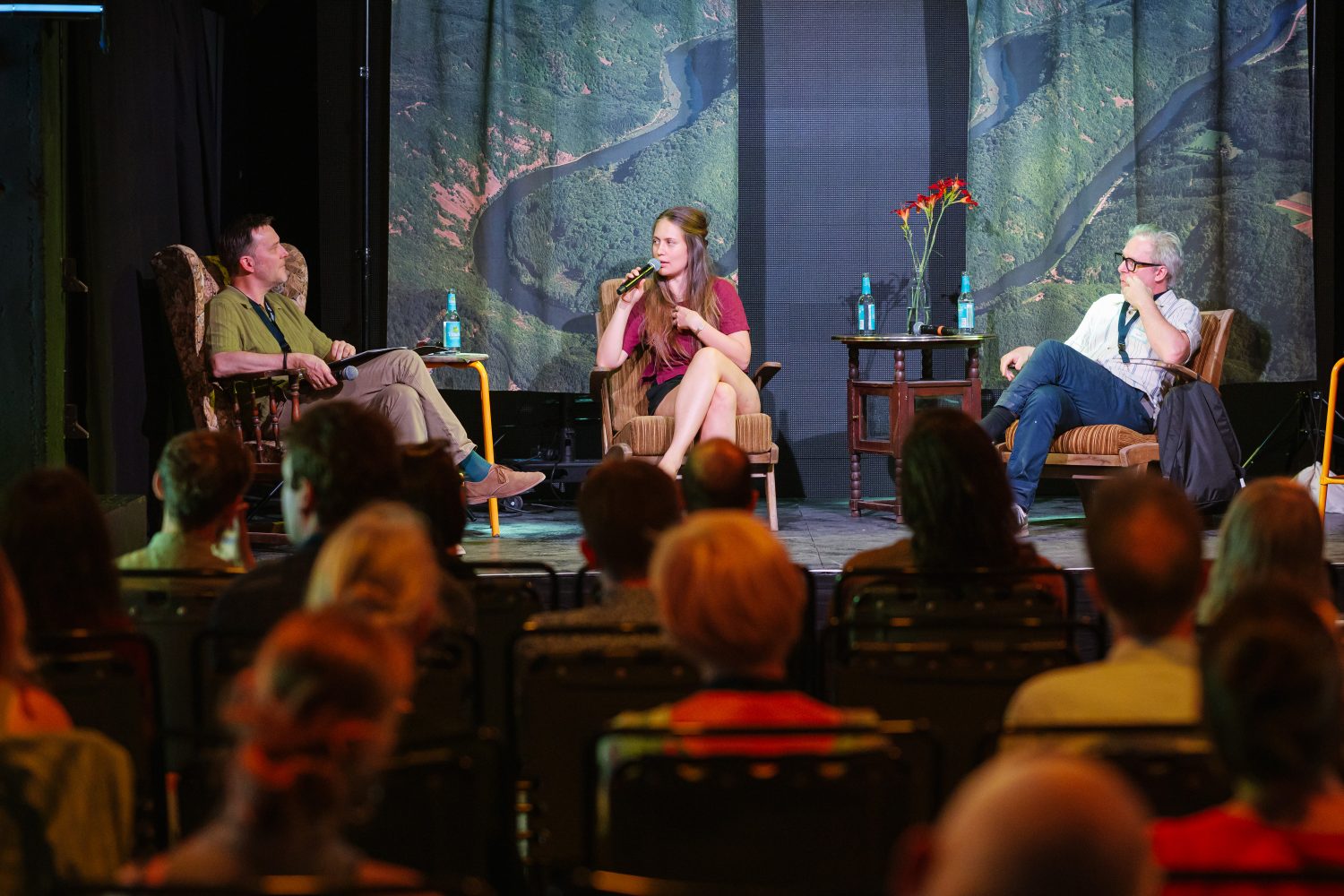
ALL-DAY CONTRIBUTIONS
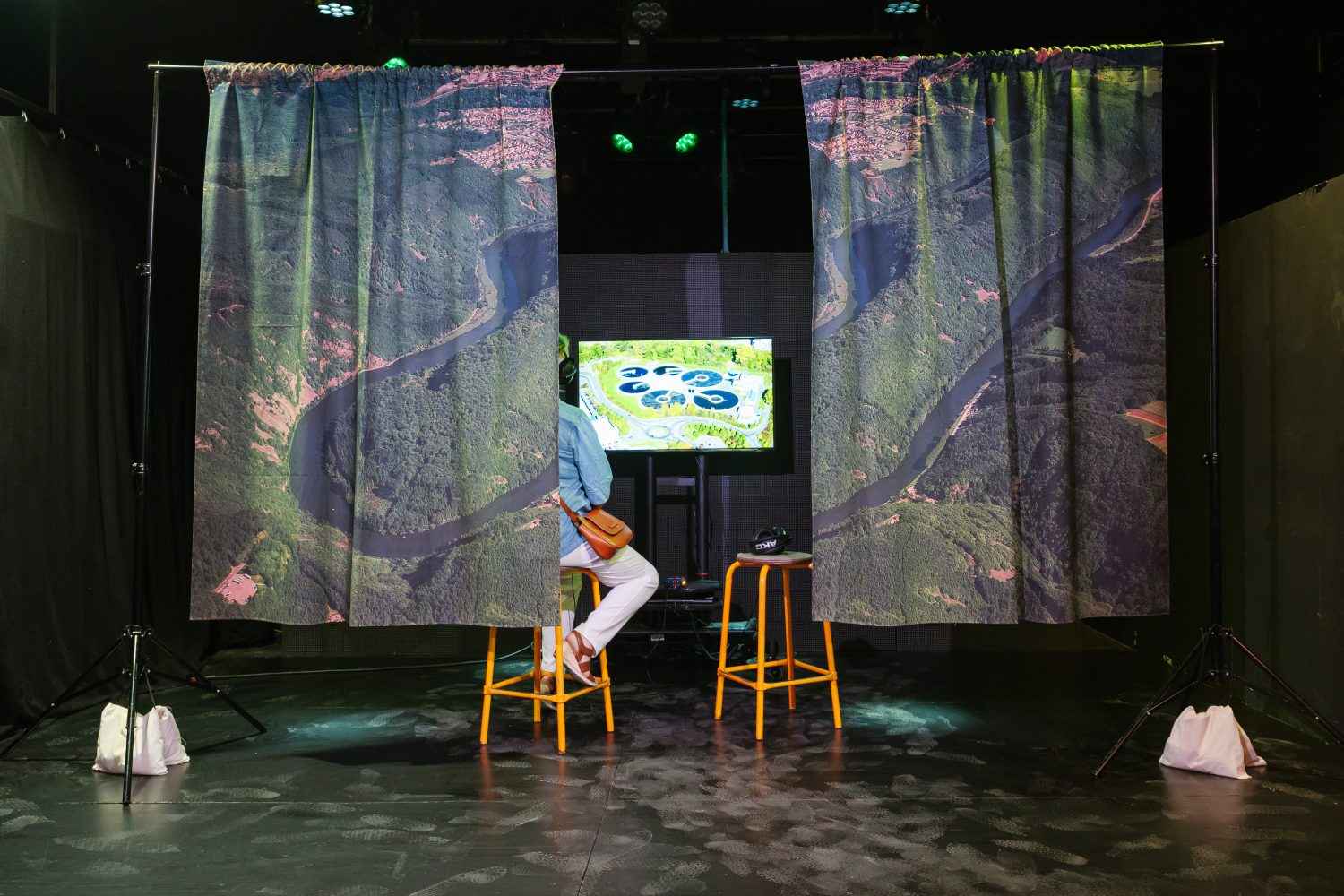
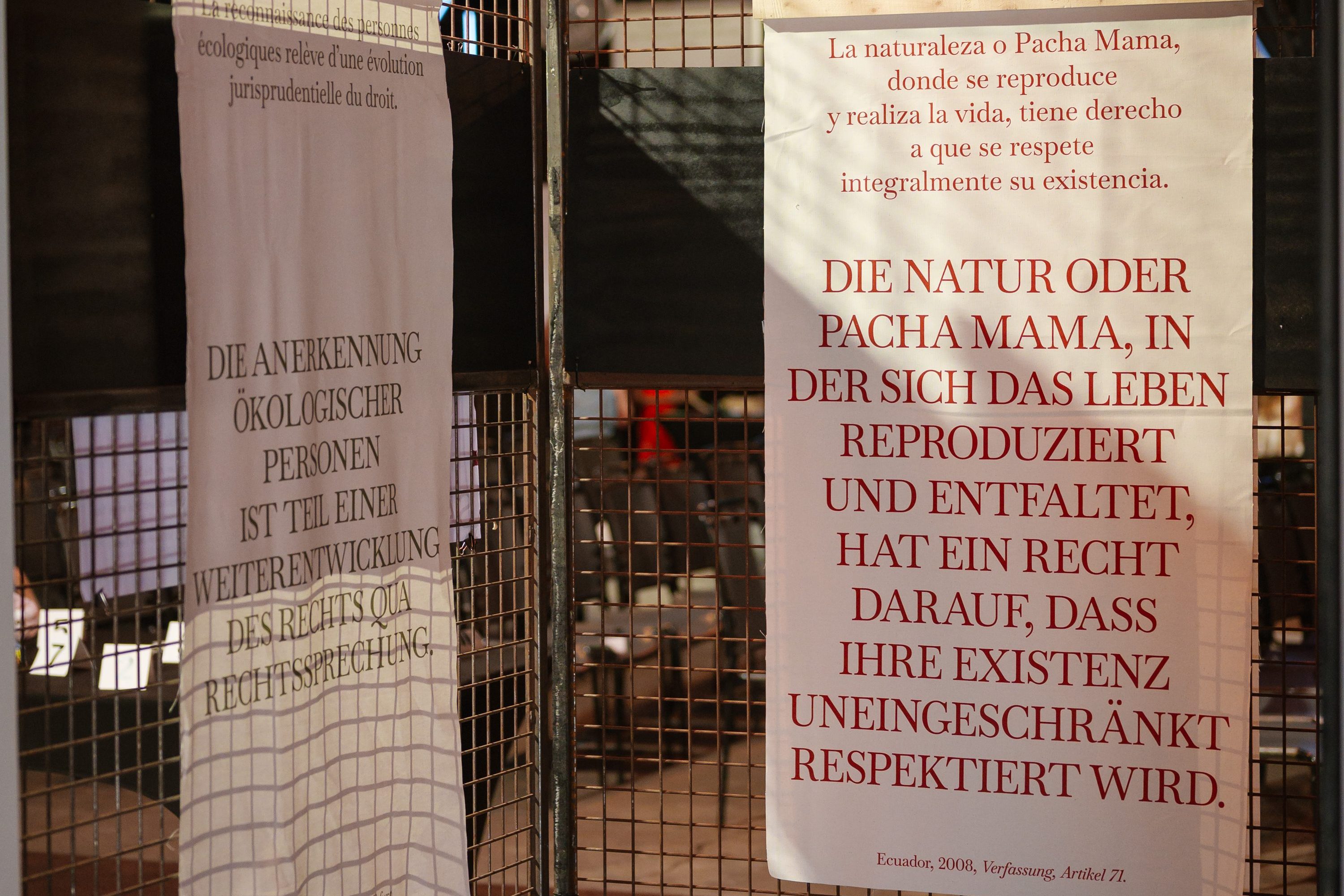
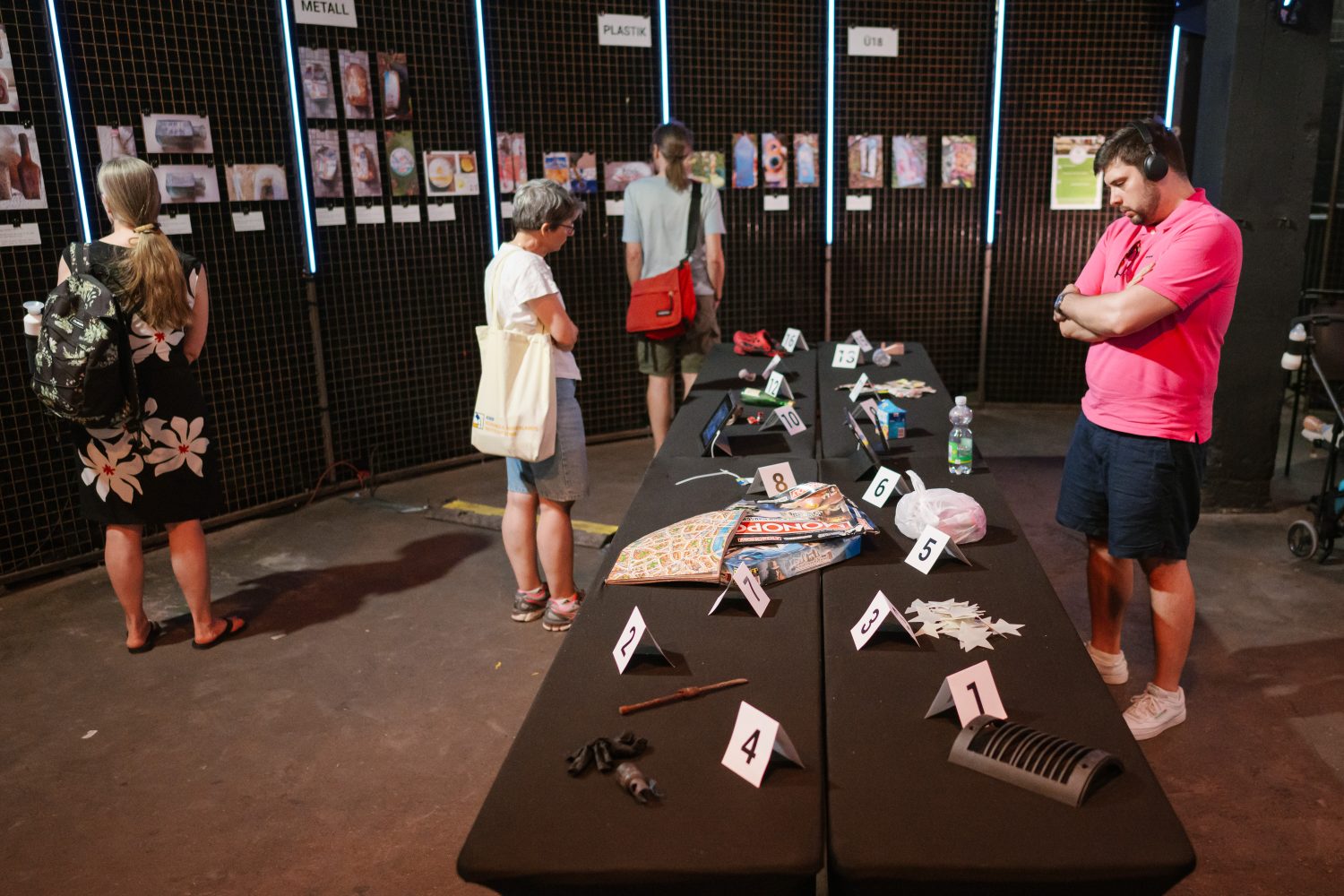
The event concluded the CURE series “Rivers Beyond Borders” while also launching a broader network of individuals and organisations from civil society and politics committed to continuing the debate about river rights in the Saar region.
Read more:
→ Project overview: Rivers Beyond Borders
→ Project brochure: Rivers Beyond Borders [PDF]
→ Event programme: The Saar as a Worker [PDF]
→ Event archive
ORGANISED BY
Käte Hamburger Kolleg für kulturelle Praktiken der Reparation (CURE) und Goethe-Institut Nancy
IN COOPERATION WITH
Bourges 2028, Bureau du Livre – Institut français Deutschland, Cluster für Europaforschung (CEUS), Die Weltveränderer, HEAR – Haute école des arts du Rhin im Rahmen des Festival du Rhin, des fleuves et des rivières, Haus der Nachhaltigkeit Saarbrücken, L’Institut d’études avancées de Nantes, Institut d’Études Françaises, Kulturgut Ost, NABU, Sektor Heimat, Musée national d’histoire naturelle Luxembourg – Naturmusée, Stiftung Demokratie Saarland, UNESCO Weltkulturerbe Völklinger Hütte, Universität des Saarlandes
All photographs © Oliver Dietze